
What Is an "Assured Return" Scheme?
An assured-return scheme is a commercial arrangement where the developer commits, in the builder-buyer agreement, to pay the buyer a fixed percentage of their investment as a return — usually monthly or quarterly — for a defined period, typically until the unit is completed and actually generating rent from a tenant. It exists to bridge the gap between paying for a commercial unit today and it earning real rental income tomorrow.
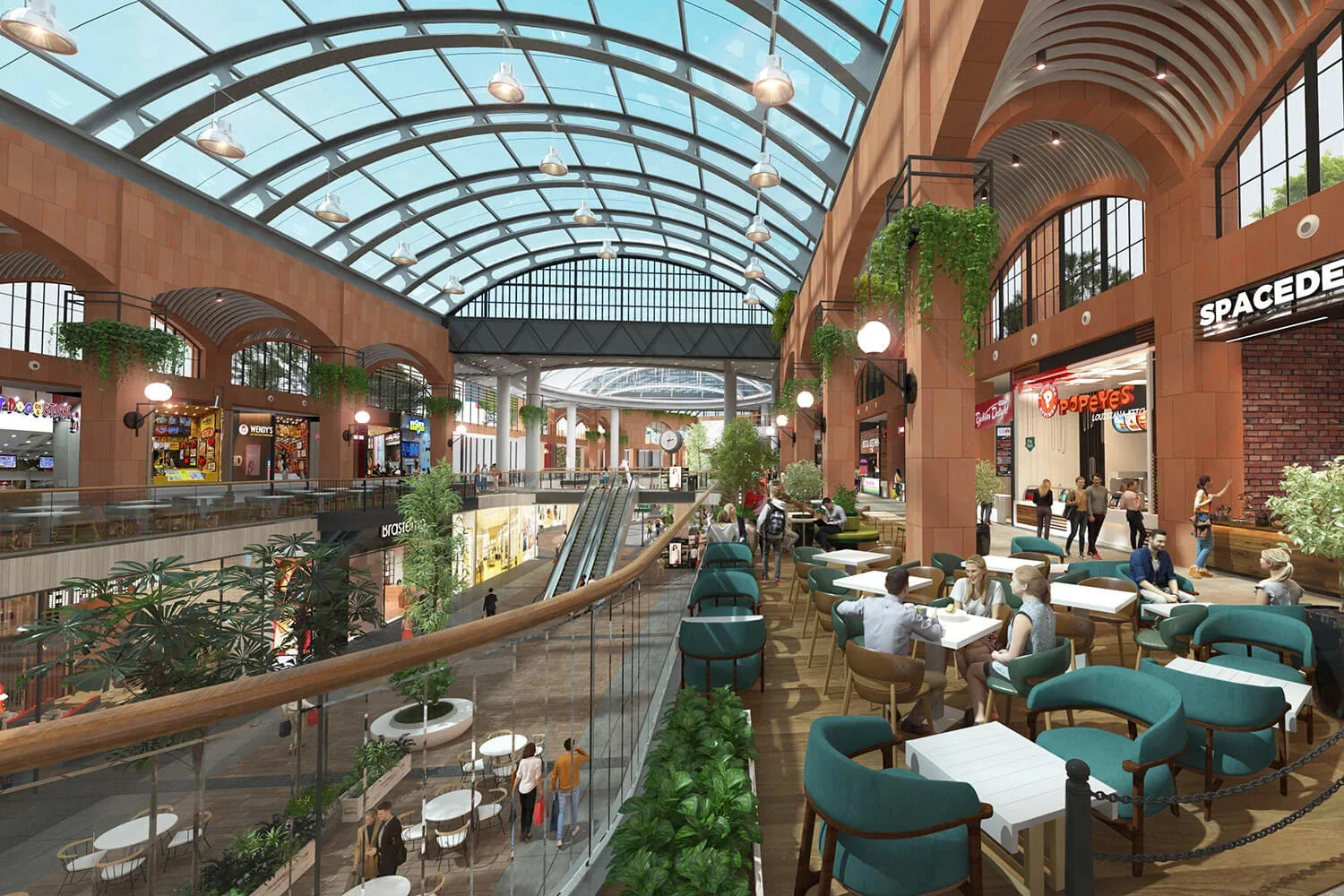
At Omaxe State, the structure varies by unit type: Small Shops and Ground Floor Shops are offered with a flat assured-return percentage (12% and 18% respectively), while larger Retail Space, Retail Shop and SCO Plot units are offered on a 12% rental-yield or SCO-return basis. In practice, both are versions of the same idea — a promised annual payout as a percentage of the purchase price.
Want the Exact Assured-Return Clause in Writing?
We'll help you get the tenure, payout frequency and trigger conditions directly from the builder-buyer agreement.
Is It Legal? What RERA Says
Assured-return clauses are legal when they're a genuine contractual commitment inside the registered builder-buyer agreement. They are not, however, a RERA-guaranteed payout — RERA regulates disclosure, construction timelines and escrow of buyer funds, but it does not itself enforce a developer's promised return percentage. If a developer defaults on an assured-return payment, the buyer's recourse is a civil/contractual claim (and, in some cases, a RERA complaint if the clause was part of the registered project disclosure) — not an automatic government-backed payout.
Reading Omaxe State's Numbers in Context
Omaxe State's assured-return structure is pitched on the back of a large anchor draw — a 30,000-capacity stadium, an integrated hotel, and mall-format retail — projected to bring an average daily footfall of 4+ lakh visitors once operational. That's the commercial logic behind offering assured returns: the developer is betting that footfall materialises and units lease out at a pace that eventually replaces the assured-return payout with real rental income.
This is a reasonable growth thesis, but it is still a thesis. The stadium, mall and hotel all need to be completed and actually operating at scale for the footfall projection to hold — and the assured-return clause is what bridges the investor's cash flow risk in the meantime. Buyers should evaluate it as a bet on execution and demand, not as a fixed-deposit-style guarantee.
Want to see how this compares with assured-return structures on other Delhi NCR commercial launches?
Ask UsDue-Diligence Checklist Before You Sign
- Get the tenure in writing — how many months/years is the assured return payable for, and what happens after it ends?
- Check the payment trigger — is the payout linked to a fixed calendar date, or to construction milestones that could slip?
- Ask about security — is the assured-return commitment backed by a bank guarantee, escrow, or post-dated cheques, or is it simply a promise in the agreement?
- Research the developer's track record — has this developer honoured assured-return commitments on earlier projects, and are there any consumer complaints or RERA orders on record?
- Confirm current RERA status — verify DLRERA2024P0003 directly on the Delhi RERA portal (rera.delhi.gov.in) rather than relying on the brochure alone.
- Read the default clause — what happens if the developer misses a payment? Is there a penalty, and is it actually enforceable?
Let Us Help You Verify Before You Commit
We'll walk through the assured-return clause, RERA status and developer track record with you — free of cost.